


Tanning: A Detailed Guide to Healthy and Lasting Sun-Kissed Skin

The tan, often coveted in the warm season, is more than just an aesthetic trend. For many, it symbolizes vacation and an active lifestyle. But have you ever wondered what really happens to your skin when you tan? This detailed guide provides essential information on how skin tans, what methods are available, and how you can achieve and maintain a beautiful, lasting, and most importantly, healthy tan.
Next, we will explore together the biological processes behind tanning, compare different types of tans, and analyze products that can help you speed up the process. We will also discuss the importance of post-tanning skincare and the complex relationship between tanning and your skin’s health. So, get ready to discover the secrets of a radiant and safe tan!
What is a tan and what are the mechanisms by which it forms?
Tanning is essentially your skin’s defense reaction when exposed to ultraviolet (UV) radiation. This process, known as melanogenesis, involves the production and distribution of a pigment called melanin in the upper layers of the skin. Imagine melanin as a natural shield that your body creates to protect itself from the harmful effects of the sun or artificial UV radiation sources. But beyond this simple definition, the process is complex and fascinating.
But how does it all happen? Well, when UV rays reach the skin, they penetrate its layers and reach the melanocytes, the specialized cells that produce melanin. This is where the magic begins: melanocytes are stimulated to produce more melanin. This newly created melanin is then transferred to keratinocytes, the predominant cells in the upper layer of the skin (epidermis). Once here, melanin accumulates and gives the skin a darker hue. This effect usually becomes visible 24-72 hours after sun exposure.
Types of melanin and their influence on tanning
It’s important to know that there are two main types of melanin: eumelanin and pheomelanin. Eumelanin is the dark brown or black pigment that offers better protection against UV radiation. Pheomelanin, on the other hand, is reddish-yellow and offers less protection. The proportion between these two types of melanin determines your natural skin color and how easily you tan. People with light skin usually have more pheomelanin, while people with dark skin have more eumelanin.
Risks of UV radiation exposure
A crucial point to remember is that although tanning is a natural protective mechanism, any exposure to UV radiation, whether natural or artificial, involves a certain degree of cellular DNA damage. Even a moderate tan is not considered completely safe from a medical standpoint. Understanding this complex process helps you approach tanning in a more informed and responsible way, focusing on adequate skin protection and care.
Types of tans – natural vs. artificial depending on preferences and methods
There are numerous methods to achieve a tanned look, each with its own advantages and disadvantages. We can divide them into two main categories: natural tan and artificial tan. The right choice depends on your preferences, your skin type, and how much you care about its health.
Natural tan and the benefits of sun exposure
A natural tan is, of course, obtained through direct sun exposure. One of its advantages is the natural and even look it provides. Additionally, sun exposure stimulates the production of vitamin D, which is essential for bone and immune system health. However, the disadvantages are significant: the risk of sunburn is increased, the skin ages prematurely, and you are exposed to potentially harmful UV radiation. Moreover, achieving a natural tan takes a lot of time and depends on weather conditions.
Last but not least, tanning at a solarium is a financially accessible option. However, it also carries similar risks, such as premature skin damage and exposure to artificial UV radiation.
To support the natural tanning process and provide your skin with extra protection and beauty, you can turn to specially formulated supplements. For example, Premium Bronze & Beauty Formula offers an advanced solution with 19 essential nutrients recognized for their benefits on the health and appearance of skin, hair, and nails. This unique formula contributes to the natural pigmentation of the skin, providing an even and healthy tan. Furthermore, it keeps the skin firm and smooth, giving it a healthy and revitalized appearance. It also protects the skin against premature aging, thanks to ingredients like fish oil, Coenzyme Q10, pomegranate extract, collagen, and hyaluronic acid.
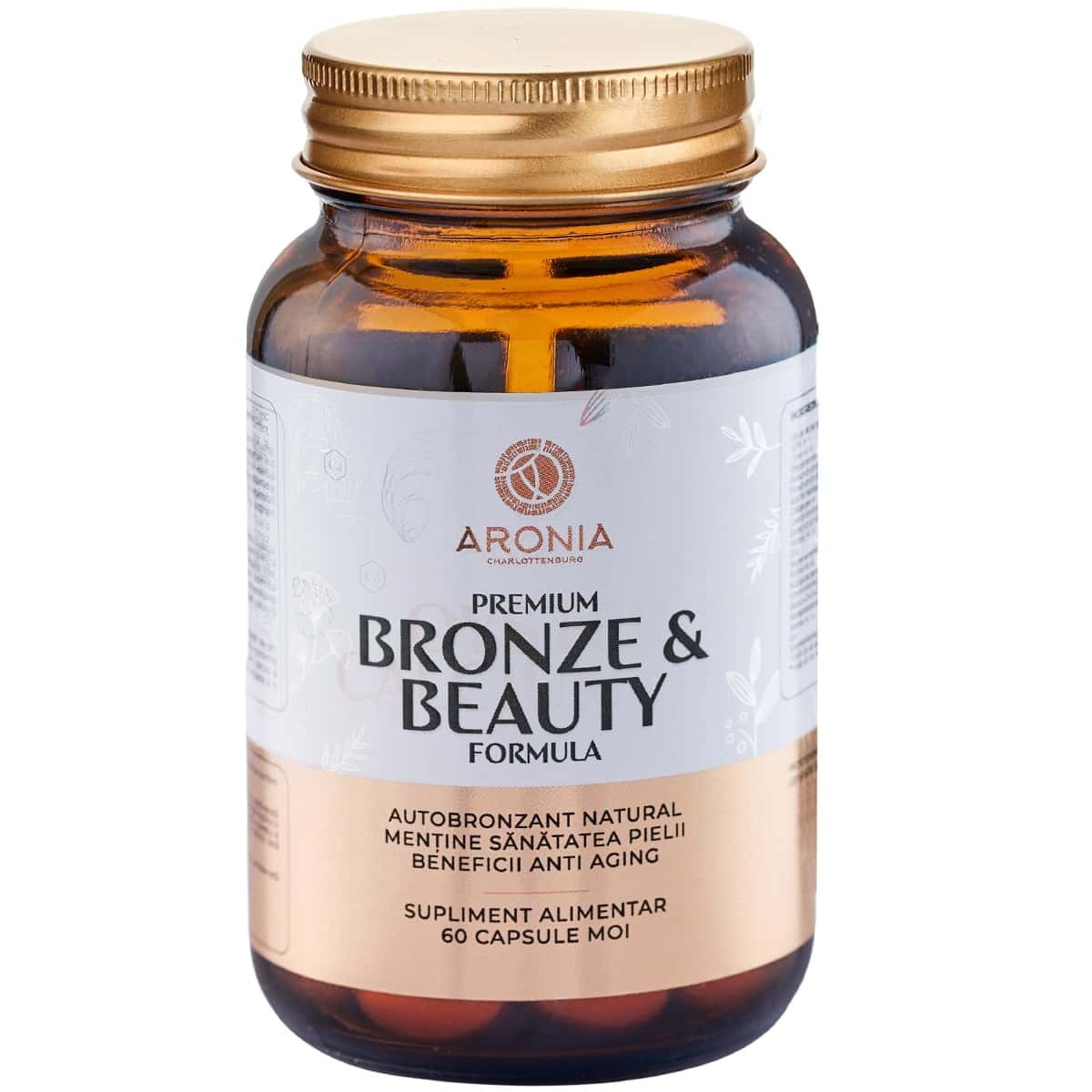
Photo source: Aronia-charlottenburg.ro
The product is available in the form of 60 soft capsules, easy to administer, enough for one month of continuous use. Order it now and give your skin the support it needs. Integrate it into your daily routine and support an even, radiant tan and healthy skin in the long term!
Artificial tanning options
If you opt for artificial tanning, you have several options. Tanning beds promise quick results and allow you to control exposure intensity. Unfortunately, they come with considerable health risks, including a higher risk of skin cancer and premature skin aging. Self-tanning products are a safer alternative because they do not involve UV radiation exposure. Results are quick and controllable, and products are available in various forms: creams, sprays, lotions. However, if not applied correctly, they can give an artificial look and need to be reapplied regularly to maintain color.
Another popular option is spray tanning. This ensures uniform and professional application, providing quick and lasting results. The cost is usually higher, and there is a risk of allergic reactions to the ingredients.
Therefore, the ideal method depends on several factors: your skin type, how sensitive you are to the sun, the time you have available, your budget, and most importantly, your health and safety concerns. However, regardless of the method you choose, it is essential to pay attention to skincare before and after tanning. Hydration, exfoliation, and sun protection are mandatory steps to keep your skin healthy.
What products help accelerate and intensify tanning?
A wide range of products designed to accelerate and intensify tanning are available. They work alongside the skin’s natural mechanisms, amplifying the tanning effect of sun exposure or artificial methods. It is important to understand how these products work and to use them responsibly.
The role of natural oils
Natural oils can help intensify tanning and are a common answer to the question “what oil helps you tan faster?”. Carrot oil, for example, is rich in beta-carotene, a precursor to vitamin A that can stimulate melanin production. Coconut oil moisturizes the skin, helping to prolong the tan’s duration. Avocado oil, due to its vitamin E and fatty acid content, can offer a degree of protection during tanning. However, it is essential to remember that these oils do not provide adequate sun protection and should be used in conjunction with a suitable SPF sunscreen.
Tan accelerators and supplements
Tan accelerators contain active ingredients that stimulate melanin production. Among the most common are tyrosine (an amino acid that is the basis of melanin), L-carnitine (which helps transport fatty acids into cells), and coenzyme Q10 ( a powerful antioxidant). For optimal results, it is recommended to use tan accelerators consistently, starting a few weeks before sun exposure.
Dietary supplements can prepare the skin for tanning from the inside. Beta-carotene, for instance, can give the skin a slight golden hue. Astaxanthin has antioxidant properties and can protect the skin from sun damage. Vitamin E helps protect skin cells from oxidative stress. However, it is essential to consult a doctor before starting any supplement regimen.
Self-tanning products and safety recommendations
Gradual self-tanning products offer a gradual intensification of the tan because they contain a lower concentration of DHA (dihydroxyacetone), the active ingredient that colors the skin. These allow for a more natural and controlled development of color and can be used daily to gradually intensify the tan.
Despite the benefits these products offer, it’s important to remember a few essential things. No product can replace adequate sun protection, and excessive sun exposure remains dangerous. If you have sensitive skin or are prone to allergies, test any new product on a small patch of skin before applying it to larger areas. Don’t forget that skin hydration is essential to maintain a healthy and long-lasting tan.
Skincare after tanning – essential steps for hydration and protection
After achieving your desired tan, it is crucial to pay attention to skincare. Post-tanning skincare is just as important as the tanning process itself. It helps keep your skin healthy and prolongs the tan’s duration. Sun and UV radiation exposure can dehydrate the skin, so intensive hydration is a crucial step in your post-tanning care routine.
Hydration and skin soothing
To counteract the dehydrating effects of the sun, use an after-sun lotion specially designed to soothe and rehydrate the skin. Apply a serum with hyaluronic acid to provide deep hydration, as it draws water into the skin. Don’t forget to hydrate from within – adequate fluid intake is essential for rehydrating your entire body.
Even with adequate sun protection, your skin may experience minor irritation. Use products containing aloe vera, known for its soothing and anti-inflammatory properties. Apply cold compresses to reduce inflammation and feel more comfortable. Avoid exfoliation immediately after tanning. Let the skin calm down before using exfoliating products.
How to prolong the tan’s duration
To prolong the tan’s duration, use a tan extender, which helps maintain skin hydration. Avoid hot showers, as they can dry out the skin and accelerate natural exfoliation. Include foods rich in beta-carotene in your diet, such as carrots and spinach, to help maintain your tanned hue.
Skin protection and damage prevention
Continuous protection against UV radiation is essential even after you have achieved your desired tan. Continue to use a sunscreen with a sun protection factor (SPF). Remember that tanned skin offers only minimal protection, equivalent to an SPF of 3-4. Reapply sunscreen frequently, especially after swimming or heavy sweating. On days with prolonged sun exposure, wear UV protective clothing.
Measures for sunburn and skin monitoring
In case of sunburn, apply low-concentration corticosteroid creams to reduce inflammation and discomfort. You can take an oral anti-inflammatory to alleviate pain and inflammation. Avoid further sun exposure until the skin has fully healed.
Monitor your skin regularly after sun exposure. Watch out for new moles or changes in existing ones. If you notice any suspicious changes, consult a dermatologist. Also, be aware of dark spots or areas of hyperpigmentation. These can be treated with specific products recommended by a specialist.
Tanning and skin health – effects, benefits, risks, and useful tips
The relationship between tanning and skin health is complex, involving both benefits and considerable risks. Understanding this relationship helps you approach tanning in a balanced and responsible manner.
Repeated exposure to UV radiation can have significant long-term consequences. It can accelerate premature skin aging, leading to wrinkles and loss of elasticity. Hyperpigmentation (pigmentation spots and melasma) is another common consequence. At the cellular level, repeated DNA damage can cause potentially cancerous mutations.
Moderate benefits of sun exposure
On the other hand, moderate and controlled sun exposure can also bring benefits. The skin produces vitamin D when exposed to UVB rays. Vitamin D is essential for bone health and immunity. Sun exposure can stimulate the production of serotonin, a neurotransmitter that contributes to well-being. Also, natural light helps regulate the circadian rhythm (sleep-wake cycle).
The risks associated with excessive tanning are significant. Chronic exposure to UV radiation considerably increases the risk of melanoma and other types of skin cancer. UV radiation can affect the eyes, leading to the early onset of cataracts. Furthermore, intense sun exposure can temporarily weaken the skin’s immune system.
Myths, precautions, and safe alternatives
It is important to clarify some myths about tanning. Contrary to popular belief, a “base tan” does not offer significant protection against subsequent sunburns. Tanning beds are not safer than sun exposure. In fact, studies show they can be even more dangerous due to the intensity and type of radiation emitted. Lastly, a tan is not a sign of health, but an indicator that the skin has been damaged by UV radiation.
For a balanced approach, start with short periods of exposure and gradually increase the duration. Avoid sun exposure between 11:00 AM and 4:00 PM when UV radiation is most intense. Use high SPF sunscreen and reapply it frequently. Wear UV protective clothing, wide-brimmed hats, and sunglasses. Adopt a diet rich in antioxidants and drink plenty of water to support skin health from within. Examine your skin regularly and consult a dermatologist once a year.
If you desire a tanned look but want to avoid the risks associated with UV radiation exposure, there are safe alternatives. Modern self-tanners offer more natural and even results. Spray tanning, performed by a professional, is another option for a uniform and lasting tan. Some oral supplements can give the skin a slightly tanned appearance, but their effectiveness varies and should be discussed with a doctor.
Conclusions
In conclusion, tanning is the result of the skin’s reaction to UV radiation exposure and should be approached responsibly. Always choose safe tanning methods, combine them with adequate sun protection, and follow post-exposure care rules. Regular skin monitoring and dermatological consultations are essential for maintaining skin health. Enjoy the aesthetic effects of tanning without neglecting long-term safety and health!
References:
- D’Orazio, J., Jarrett, S., Amaro-Ortiz, A., & Scott, T. (2013). UV radiation and the skin. International Journal of Molecular Sciences, 14(6), 12222–12248.
- American Cancer Society. (2024). Sun safety and vitamin D. American Cancer Society.
- Sivamani, R. K., Crane, L. A., & Dellavalle, R. P. (2009). The benefits and risks of ultraviolet (UV) tanning and its alternatives: the role of prudent sun exposure. Dermatologic Clinics, 27(2), 149–154.