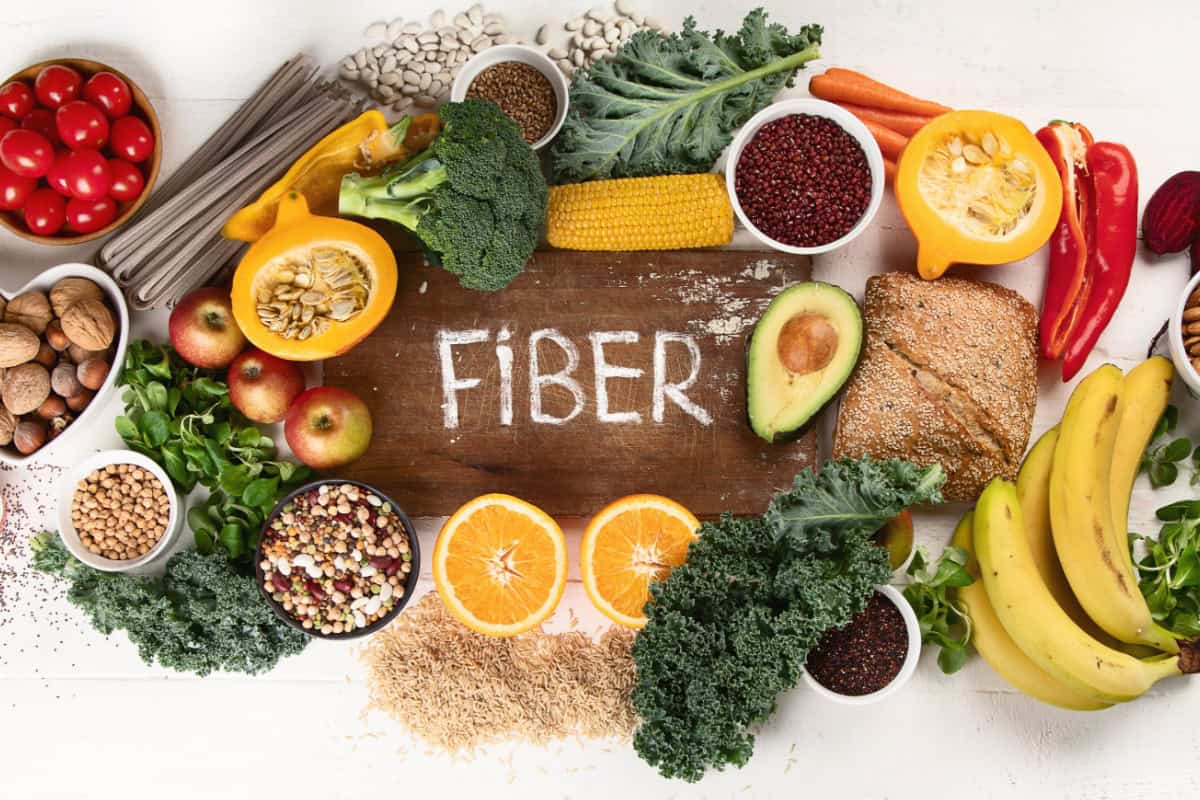
Dietary fibers play an essential role in maintaining digestive health, balancing blood sugar levels, and supporting a healthy heart. Proper distribution of fiber throughout the day helps the body absorb and utilize it optimally.
? 1. Consume fiber throughout the day, starting with breakfast. This habit keeps your energy levels stable and improves digestion.
? 2. Include a variety of fiber-rich foods in your daily diet. Fruits, vegetables, whole grains, and legumes offer unique health benefits.
?3. Gradually increase your fiber intake to avoid digestive discomfort. This way, your body will adapt and benefit fully from the positive effects of fiber.
?️ When to Consume Fiber for Maximum Benefits
? Start the Day with Fiber at Breakfast
Morning is the ideal time to give yourself an energy boost with a fiber-rich breakfast.
- Opt for whole grains (oats, wheat bran) with milk or yogurt.
- Add fresh fruits like apples, pears, bananas, or berries.
- You can also include chia or flax seeds, which provide fiber and omega-3 fatty acids.
This start to the day keeps your energy levels stable and supports healthy bowel transit.
? Lunch – Consistent Sources of Fiber
Fiber should not be missing from your midday meal either.
- Add salads rich in raw or cooked vegetables.
- Choose side dishes made from brown rice, quinoa, buckwheat, or legumes (lentils, chickpeas, beans).
- Replace white pasta with whole wheat pasta.
A consistent fiber intake helps maintain satiety and supports long-term digestion.
? Fiber-Rich Snacks Between Meals
To avoid energy fluctuations and intense hunger, opt for healthy and satisfying snacks.
- Choose fruits with peels (apples, plums, peaches).
- Include walnuts, almonds, hazelnuts, or pistachios – all rich in fiber and healthy fats.
- You can also have oat bars or homemade whole-wheat biscuits.
These snacks not only keep hunger at bay but also support digestion between main meals. You can also consider supplements, such as aronia powder – a 100% natural dietary supplement made from organically grown aronia berries. The production process involves drying and finely grinding the aronia skin, pulp, and seeds, resulting in a powder rich in fiber, vitamins, minerals, and antioxidants.
[cta_produs style=”style_1″ product=”13699″ image=”https://aronia-charlottenburg.com/wp-content/uploads/2025/04/Pudra-Aronia.jpg”]
Recommended Usage: It is recommended to consume 2-3 teaspoons daily, mixed with yogurt, muesli, fruit or vegetable juices, smoothies, shakes, salads, or teas.
? Evening – Natural Fiber for Smooth Digestion
A light yet fiber-rich dinner supports digestive activity throughout the night.
- Include a portion of legumes (kidney beans, green lentils).
- Add steamed or grilled vegetables combined with whole grains.
- Avoid heavy and processed foods, which can slow down digestion.
This routine helps maintain regular bowel transit and prevents nocturnal abdominal discomfort.
? Hydration – The Key to Fiber Efficiency
Without adequate water intake, fiber cannot function properly in the body.
✔️ Drink at least 6-8 glasses of water daily.
✔️ Consume herbal teas or fruit-infused water for variety.
✔️ Avoid dehydrating drinks, such as sugary sodas or excessive alcohol.
Hydration helps fiber increase in volume and stimulate bowel transit, preventing constipation and promoting nutrient absorption.
? Recommendations for Increasing Dietary Fiber Intake – Foods Containing Fiber
? Replace Refined Grains with Whole Grain Varieties
A simple and effective step to increase fiber intake is to choose whole grain options instead of processed ones:
✔️ Replace white bread with whole wheat bread.
✔️ Choose whole grain pasta and rice.
✔️ Opt for muesli or rolled oats instead of sweet breakfast cereals.
? Add Legumes and Fiber-Rich Snacks
Legumes are an excellent source of fiber and plant-based protein.
✔️ Include beans, lentils, peas, or chickpeas in your daily menu.
✔️ Choose smart snacks: fresh fruits, nuts, seeds, or whole-wheat crackers.
✔️ Try quick combinations: chickpea salads, lentil soups, or hummus with raw vegetables.
? Include Aronia Powder in Your Diet
Aronia powder is a superfood that provides a remarkable nutritional boost:
✔️ It contains 70-80% fiber, ideal for digestion.
✔️ It is rich in antioxidants that combat oxidative stress.
✔️ It integrates easily into smoothies, yogurt, cereals, or even teas.
A few teaspoons of aronia powder per day help you supplement your fiber intake and support overall health.
? Gradually Increase Fiber Intake and Stay Hydrated
To avoid digestive discomfort, fiber should be introduced gradually into the diet.
✔️ Gradually increase the amount of fiber consumed daily.
✔️ Drink enough water (at least 6-8 glasses per day).
✔️ Aim for a daily intake of 25-30 grams of fiber, distributed throughout your meals.
? Long-Term Benefits of Regular Dietary Fiber Consumption
- ❤️ Supports cardiovascular health
- ? Helps control blood sugar levels
- ⚖️ Contributes to maintaining a healthy weight
- ? Improves digestive health
- ? Supports immunity and detoxification
Dietary fibers are not just a detail of a balanced diet, but an essential element for your overall health. ✅
References
- https://www.health.harvard.edu/blog/should-i-be-eating-more-fiber-2019022115927
- https://journals.lww.com/nutritiontodayonline/fulltext/2015/03000/evidence_based_approach_to_fiber_supplements_and.8.aspx
Photo source: Shutterstock.com